
The Complete Kerala Homeowner's Guide
to Termite Treatment
Secure your investment against destructive subterranean threats with sentinel-grade protection engineered for Kerala's unique climate challenges.
The Threat: Why Kerala is a
Termite Hotspot
Living in Kerala means enjoying lush greenery and beautiful monsoons. But this very climate creates a hidden nightmare for homeowners: termites. The combination of high humidity, heavy rainfall, and warm temperatures makes Kerala the perfect breeding ground for subterranean termites.
If you've noticed mud tubes on your walls, hollow-sounding door frames, discarded wings near your windows, or damaged wooden furniture, you're not alone. This guide explains everything homeowners in Kerala need to know before termites destroy their investment.
Learn why termites thrive in Kerala, how to identify early warning signs, and the most effective treatment methods available today. Whether you're building a new home or protecting an existing one, this guide will help you make informed decisions.
Understanding the Enemy: Why Termites Thrive in Kerala
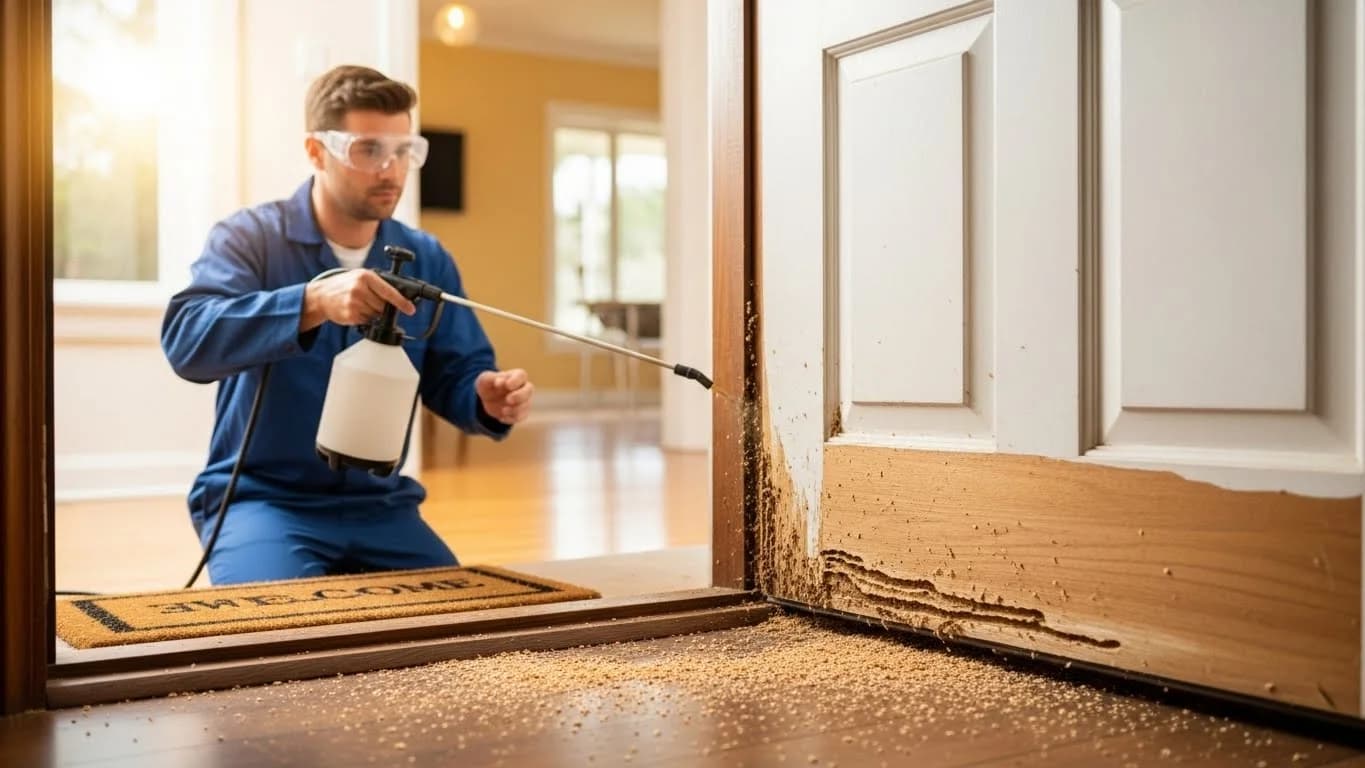
To defeat termites, you first need to understand them. In Kerala, the most destructive species is the subterranean termite. Unlike drywood termites which live entirely inside wood, subterranean termites live in enormous underground colonies and build mud tubes to travel above ground in search of food (cellulose found in wood, paper, and fabrics).
Here is why Kerala's environment is the "perfect storm" for termite activity:
1. The Extended Monsoon and High Humidity
Termites need moisture to survive. Without it, their thin bodies dry out and they die. Kerala experiences almost six months of monsoon rains and maintains an average humidity above 80% year-round. This constant moisture softens wood and allows termites to operate above ground far more easily than in drier climates.
2. Laterite and Clay Soils
The soil composition in much of Kerala (laterite and clay) holds moisture exceptionally well. This creates deep, damp, and secure environments for termite queens to build massive colonies, sometimes housing millions of workers, completely hidden beneath your foundation.
3. Warm Temperatures
Termites are cold-blooded. In colder regions, termite activity slows down during winter. In Kerala's consistent tropical heat, termites eat, breed, and destroy 24 hours a day, 365 days a year without stopping.
The 4 Core Termite Treatment Methods
There is no one-size-fits-all solution for termites. Depending on whether your home is under construction, already built, or actively infested, we create a customized treatment plan.
1. The Chemical Barrier Method (Drill-Fill-Seal)
This is the most common and effective method for existing homes. The goal is to create an invisible chemical wall around your home's foundation.
- We drill holes every 12–18 inches around the perimeter.
- Professional termiticide is injected deep into the soil.
- Holes are sealed with matching cement after treatment.
- Creates a continuous protective barrier.
- Best solution for existing buildings.

2. Termite Baiting Systems
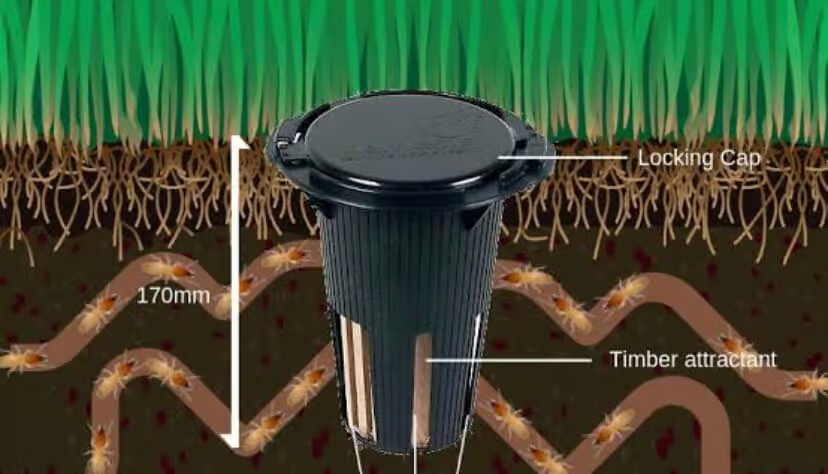
Rather than creating a barrier, bait stations eliminate the colony itself.
- Bait stations are installed around your property.
- Workers feed on bait and return to the colony.
- The slow-acting bait spreads to the queen.
- The entire colony gradually collapses.
- Excellent for environmentally sensitive locations.
3. Wood Treatment
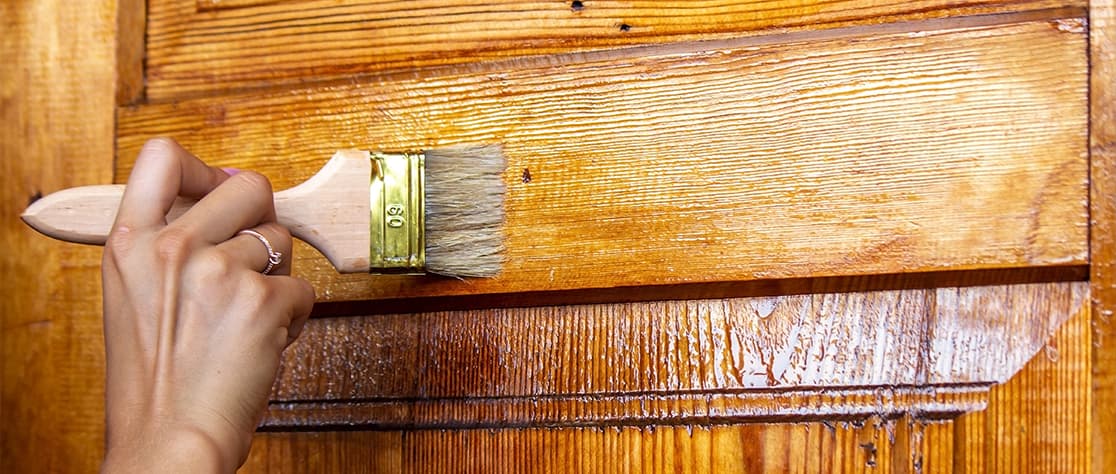
Direct treatment of wooden structures to prevent termite attack and eliminate infestations already present.
- Surface spraying and brushing.
- Deep penetration into timber.
- Protects furniture, doors and frames.
- Ideal before painting or polishing.
- Long-lasting wood protection.
4. Anti-Termite Spray (Spot Treatment)
For minor, localized infestations where termites are visible, a direct spot treatment can immediately eliminate active insects. While effective for isolated cases, it should not be considered a complete solution for subterranean termite colonies hidden beneath the ground.
Which Treatment is Right for You?
If you are building a new house:
Install comprehensive Pre-Construction Soil Treatment. Also, consider installing a reticulation system (a network of pipes laid under the foundation that allows for easy re-injection of chemicals years later without drilling).
If you live in an already built house with active termites:
You need the Chemical Barrier Method (Post-Construction Drill & Fill). This is the fastest way to stop structural damage.
If you have valuable wooden furniture being attacked:
You need targeted Wood Treatment. The infested wood should be injected, and all other furniture should be polished or sealed.
How Long Does Termite Treatment Last?
This is the most common question we get. The honest answer: It depends, but generally 3 to 5 years for post-construction treatments in Kerala.
Unlike regular pest control for cockroaches (which might last months), termite treatments are meant to be long-term barriers. However, the heavy rains in Kerala can eventually dilute the chemical barrier in the soil over many years.
Why Termites Might Return:
- •Barrier Disruption: If you do landscaping, dig trenches for plumbing, or add an extension to your house, you break the chemical barrier in the soil.
- •Plumbing Leaks: Constant water leaking into the soil from a broken pipe washes away the termiticide.
- •Bridging: Termites can build mud tubes over the treated soil if they find a gap, such as a crack in the foundation.
This is why annual inspections are highly recommended even after treatment.
Pre-Construction vs. Post-Construction Anti-Termite Treatment
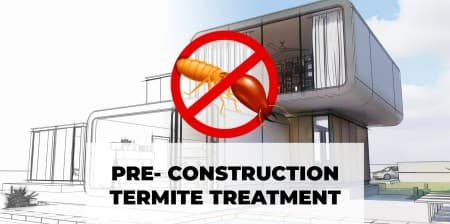
PRE-CONSTRUCTION
Foundation Treatment & Barrier Application
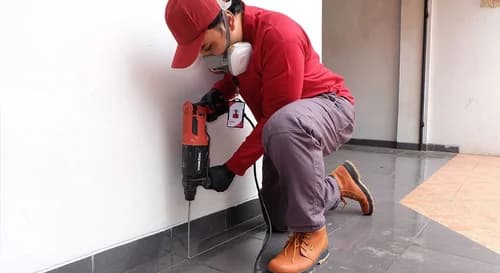
POST-CONSTRUCTION
Targeted Drill & Inject Solutions
Pre-Construction (The Smart Choice)
If you are building a new home in Kerala, pre-construction termite treatment (ATT) is an absolute non-negotiable requirement. It is far easier and cheaper to treat the soil before the concrete goes down.
- • Process: The soil in the foundation trenches, beneath, and the pillars are thoroughly drenched with termiticide before the concrete slab is poured. A chemical barrier is also applied around the external perimeter.
- • Advantage: Creates a continuous, invisible shield that termites simply cannot cross. No drilling required later.
- • Longevity: Often lasts 5 to 10 years or more.
Post-Construction (The Rescue Operation)
If your home is already built and you are seeing problems, post-construction treatment is required.
- • Process: Requires drilling through your flooring (tiles, marble, etc.) at the wall-floor junction to reach the soil beneath the slab. The chemical is injected, and the holes are sealed with matching cement or resin.
- • Advantage: The only way to stop an active infestation in an existing structure.
- • Challenge: Can be disruptive. Achieving a perfectly continuous barrier is harder because of existing walls and foundations.
How to Protect Wooden Furniture from Termites in Kerala
Kerala is famous for its beautiful teak and rosewood furniture. While these hard woods are naturally resistant, they are not immune. Softer woods (like plywood used in modern wardrobes) are highly vulnerable.
1. Move Furniture Away from Walls
Subterranean termites usually enter furniture through the walls. Keep beds, wardrobes, and sofas at least 2-3 inches away from the wall to prevent direct contact.
2. Ensure Cross Ventilation
During the monsoon, close your windows during heavy rain, but open them when the sun is out. Damp, stagnant air encourages termite activity. Sun exposure is a natural termite deterrent.
3. Seal and Polish
Termites prefer raw, untreated wood. Applying a good quality wood polish, varnish, or paint creates a hard outer shell that deters drywood termites.
4. Watch for Early Signs
If you see a sudden pile of what looks like coffee grounds or sand near your wooden almirah, don't sweep it away—call an expert. That is drywood termite frass.
Important Note on Storage:
Never store old cardboard boxes, stacks of newspapers, or scrap lumber directly on the floor, especially in dark store rooms. This is a five-star buffet for termites.
Warning Signs: Is Your Home Under Attack?
Termites are notoriously stealthy. Because they eat wood from the inside out, extensive damage is often done before the homeowner even realizes there is a problem. Look out for these early warning signs:
Mud Tubes on Walls or Foundation:
These pencil-sized tunnels made of soil and termite saliva allow them to travel safely from the ground to your wood.
Hollow-Sounding Wood:
Tap your door frames, window sills, and skirting boards with a screwdriver handle. If it sounds hollow or papery, termites may have hollowed it out.
Bubbling or Peeling Paint:
Often mistaken for water damage, termites feed just under the surface of the paint, causing it to bubble or blister.
Discarded Wings:
After a heavy rain (especially near light sources at night), reproductive termites 'swarm' to start new colonies. They shed their wings once they find a mate.
Frass (Termite Droppings):
Drywood termites leave tiny, wood-colored pellets that look like small piles of sawdust or coffee grounds near wooden furniture.
Sagging Floors or Hard-to-Open Doors:
As termites eat the structural supports or door frames, the wood warps, making doors and windows stick.

The Real Cost Reality Check
Many homeowners hesitate to pay for professional termite treatment, opting for cheap DIY sprays instead. This is a costly mistake.
- •A can of bug spray costs ₹300.
- •A professional termite treatment might cost between ₹5,000 and ₹15,000 depending on the house size.
- •Replacing termite-destroyed kitchen cabinets, door frames, and flooring will easily cost ₹50,000 to ₹2,00,000+.
Termite treatment is not an expense; it is insurance for your property.
Why Homeowners Trust Kerala Pest Solutions
When you choose us, you are getting Kerala's leading pest management experts.
Buyer/Envu Approved Chemicals: We use only premium, odorless, and highly effective termiticides (like Premise) that are safe for humans and pets once dry. No cheap agricultural pesticides.
Trained Technicians: Our team knows exactly where to drill, how deep to drill, and how to protect your expensive flooring from damage during the process.
Guaranteed Results: We offer comprehensive warranties on our post-construction and pre-construction treatments.
Scientific Approach: We don't just spray randomly. We identify the termite species, locate the source, and use the exact right dosage of chemical.
Clean Execution: We seal all drill holes neatly to match your floor color as closely as possible.
Local Expertise: We understand Kerala's climate, soil types, and building styles better than national chains.
Is Your House at Risk?
Protect your home, your family, and everything you love. Whether you are building a new home, living in an older property, or simply want complete peace of mind, Kerala Pest Solutions is here to help.
What You Should Do Next
Call or WhatsApp us to arrange a free inspection at your home.
Our professional technician will come to your property, inspect all areas, and provide you with a clear evaluation.
We provide you with an easy-to-understand treatment plan and a set quote — no pressure, no commitments.
Treatment is performed by trained professionals using safe, approved chemicals.
You get a service certificate and warranty documentation.
Contact Kerala Pest Solutions Today
Call / WhatsApp
6282651476
9074368674
keralapestcontrolinfo@gmail.com
Office
Karamana, Trivandrum
Serving Trivandrum & Kollam
Protect Your Most Valuable Asset
Your home is your most valuable asset. Don't let termites take that away from you. We are experienced, certified, and genuinely committed to protecting your home the right way.